Questions worth asking
Electrolysis Process Questions, Answered
Once people understand the basics of electrolysis, they usually have more specific questions about comfort, timing, and how it fits with other services. Here are some of the questions that have not been covered yet, along with straightforward answers to help you prepare.
What does an electrolysis session actually feel like?
Most people describe electrolysis as a series of brief, pinpoint sensations as each follicle is treated. Depending on the settings used, the area being treated, and your personal sensitivity, those sensations may feel like tiny stings, heat, or pressure. Your provider will usually start conservatively and adjust as needed based on your feedback. Small areas can often be treated fairly quickly, which helps keep discomfort manageable. Before your first session, ask what, if any, comfort options they offer and whether short breaks during the appointment are possible if you start to feel overwhelmed.
How many electrolysis sessions will I need?
There is no single number of sessions that applies to everyone, because hair growth patterns, hormone influences, skin type, and the size of the treatment area all play a role. Electrolysis targets individual follicles when an active hair is present, and hairs cycle through growth phases at different times. That is why the process is typically scheduled as a series of visits rather than a one‑time treatment. At your in‑office consultation, your provider can examine the specific area, look at hair density and thickness, and then give you a more personalized sense of how often you would likely come in and over what general timeframe.
How should I prepare for my first electrolysis appointment?
Preparation usually focuses on arriving with skin that is clean and free of heavy lotions, oils, or makeup in the area to be treated. If you have been tweezing, waxing, or threading, your provider may ask you to stop for a period beforehand so there is an intact hair in each follicle to guide treatment. You should bring a list of your medications and any medical conditions, since some can influence hair growth or skin sensitivity. It is also wise to think through your schedule in the days after treatment; asking about typical redness or swelling ahead of time helps you avoid booking your first session just before photos, big events, or intense workouts.
What does aftercare look like following electrolysis?
After electrolysis, the treated skin may look slightly pink or feel a bit sensitive for a short time. Your provider will usually give you specific instructions, which might include keeping the area clean, avoiding picking or scratching, and staying away from harsh products, hot tubs, or heavy sweating for a short period. Some people are advised to avoid sun exposure on the area and to use gentle, non‑irritating skincare or sunscreen until the skin has settled. Because every person’s skin is different, use the aftercare sheet and verbal instructions from your provider as your guide, and call the office if you notice anything that worries you.
How is electrolysis different from laser hair removal?
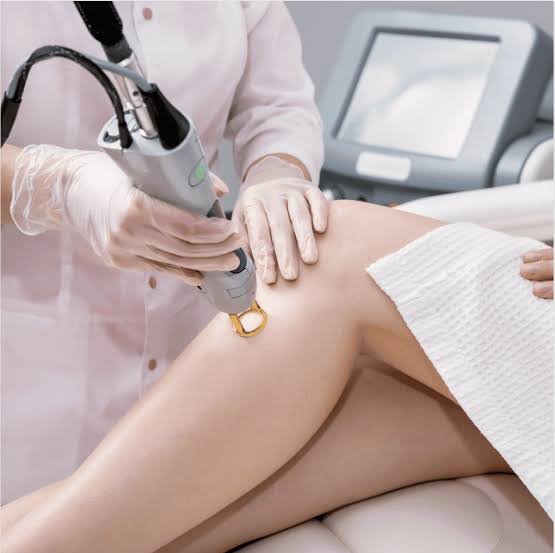
Electrolysis and laser hair removal share the goal of reducing unwanted hair, but they work in different ways. Electrolysis targets one follicle at a time using a fine probe and energy to disable that follicle directly, and it is widely regarded as a method of permanent hair removal. Laser hair removal uses light energy over a broader area to damage groups of follicles and reduce hair growth over time, often in fewer, faster sessions. At Advanced Laser & Skin Rejuvenation, both options are listed as core hair removal services, so you can ask your provider to compare them for your specific hair and skin type, and to explain where each approach may have advantages.