Questions worth asking
Injectables in High Point: detailed questions answered
As people in the Triad explore Botox, fillers, and PRP, the same handful of practical questions come up again and again. Here are deeper answers that go beyond a simple yes or no.
How long do injectable results last?
The duration of injectable results varies by treatment type, area, and individual factors such as metabolism and muscle activity. Neuromodulators like Botox typically begin to show effect within a few days, with peak softening of lines around two weeks and maintenance visits often scheduled several months apart. Dermal fillers may last longer or shorter depending on the product and placement, with some areas needing touch-ups sooner than others. PRP-based treatments like Vampire facials and PRFM focus more on changes in skin quality over time rather than an immediate, dramatic shift. At your consultation, your provider can outline a realistic timeline for each option you are considering and suggest when to check back in to evaluate your response.
Can I combine injectables with other treatments like laser or CoolPeel?
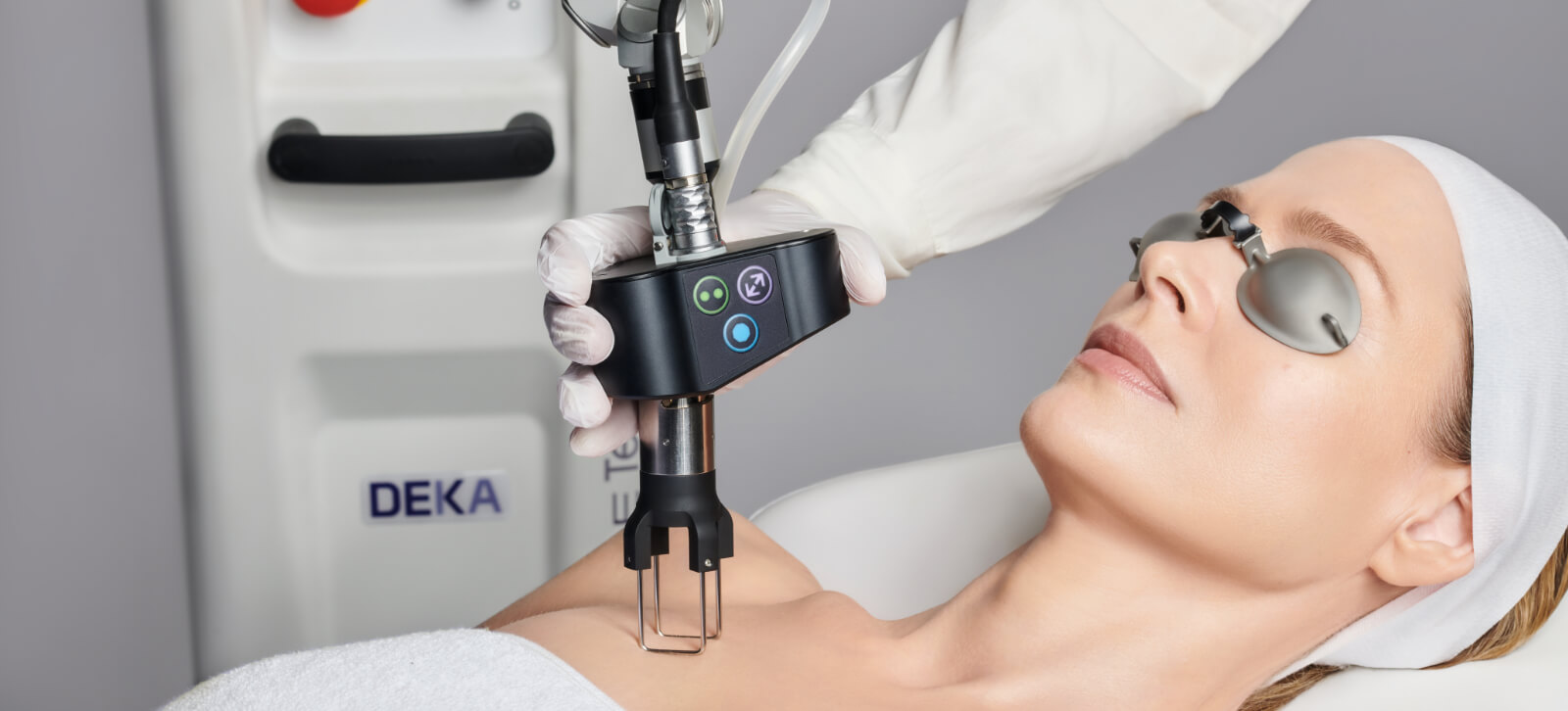
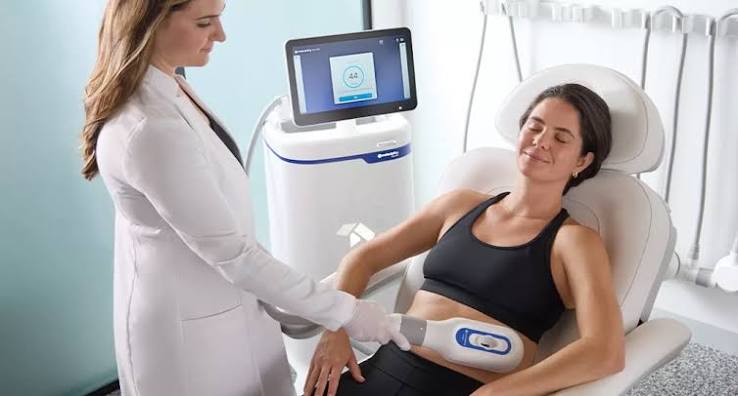
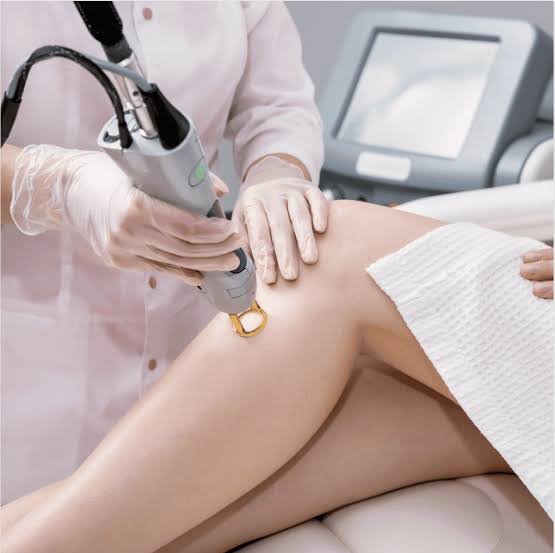
Many Triad patients use injectables as part of a broader plan that can include laser treatments, body contouring, or medical-grade skincare. At Advanced Laser & Skin Rejuvenation, injectables and PRP are only one part of a menu that also includes services such as Tetra CoolPeel, laser hair removal, and skin tightening technologies. Whether you can combine treatments on the same day or in the same month depends on your skin, medical history, and the specific procedures involved. This is something your provider should map out with you, taking into account healing time, sun exposure, and any special events on your calendar, so that different treatments support one another instead of competing for the same healing window.
Do injectables hurt, and what can be done for comfort?
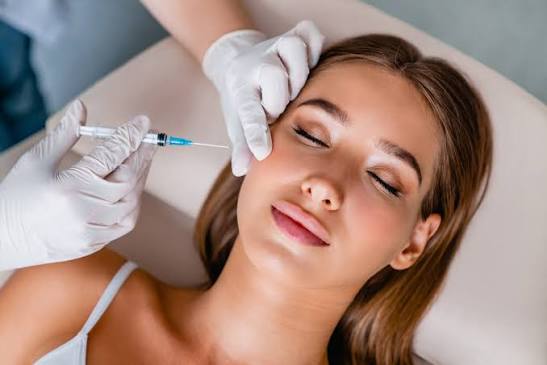
Most people describe injectable appointments as uncomfortable rather than truly painful, with sensation varying by area and product. Botox injections use very fine needles and are usually completed quickly. Fillers can feel more intense in areas with thinner skin or more nerve endings, but many products contain a numbing agent, and topical numbing cream or ice may be used as well. PRP treatments, such as Vampire facials, involve a blood draw plus multiple superficial injections or application with microneedling, so the team will usually discuss comfort measures before starting. If you are worried about discomfort, mention this during your consultation so your provider can explain exactly what they offer for numbing and how they adapt for patients who are injection‑shy or have had difficult experiences elsewhere.
What are the risks or side effects of injectables?
All injectables and PRP treatments carry some degree of risk, which is why they are best performed in a medical setting by trained professionals. Common short-term effects can include temporary redness, swelling, or bruising at injection sites. Less common issues depend on the product and area treated and should be reviewed carefully before you consent to any procedure. During your visit, your provider should walk you through both typical and rare side effects, explain what warning signs would prompt you to call the office, and outline how they handle complications if they arise. Ask specifically how after-hours concerns are managed and what kind of follow-up is included in your treatment plan so you understand the safety net around your care.
How should I prepare for my first injectable appointment?
Preparation begins with information. Before you arrive, gather a complete list of medications and supplements, any history of allergies or prior reactions to injectables, and details of past cosmetic procedures. Think about your goals in concrete terms,such as looking less tired, softening a specific line, or preparing for a particular event,and, if helpful, bring reference photos that feel close to the kind of change you want. On the practical side, you may be advised to avoid certain over-the-counter medications or supplements that increase bruising risk and to arrive with a clean face free of heavy makeup. Use your consultation to confirm any specific instructions, like avoiding alcohol or strenuous exercise around treatment day, so you can plan ahead instead of scrambling at the last minute.